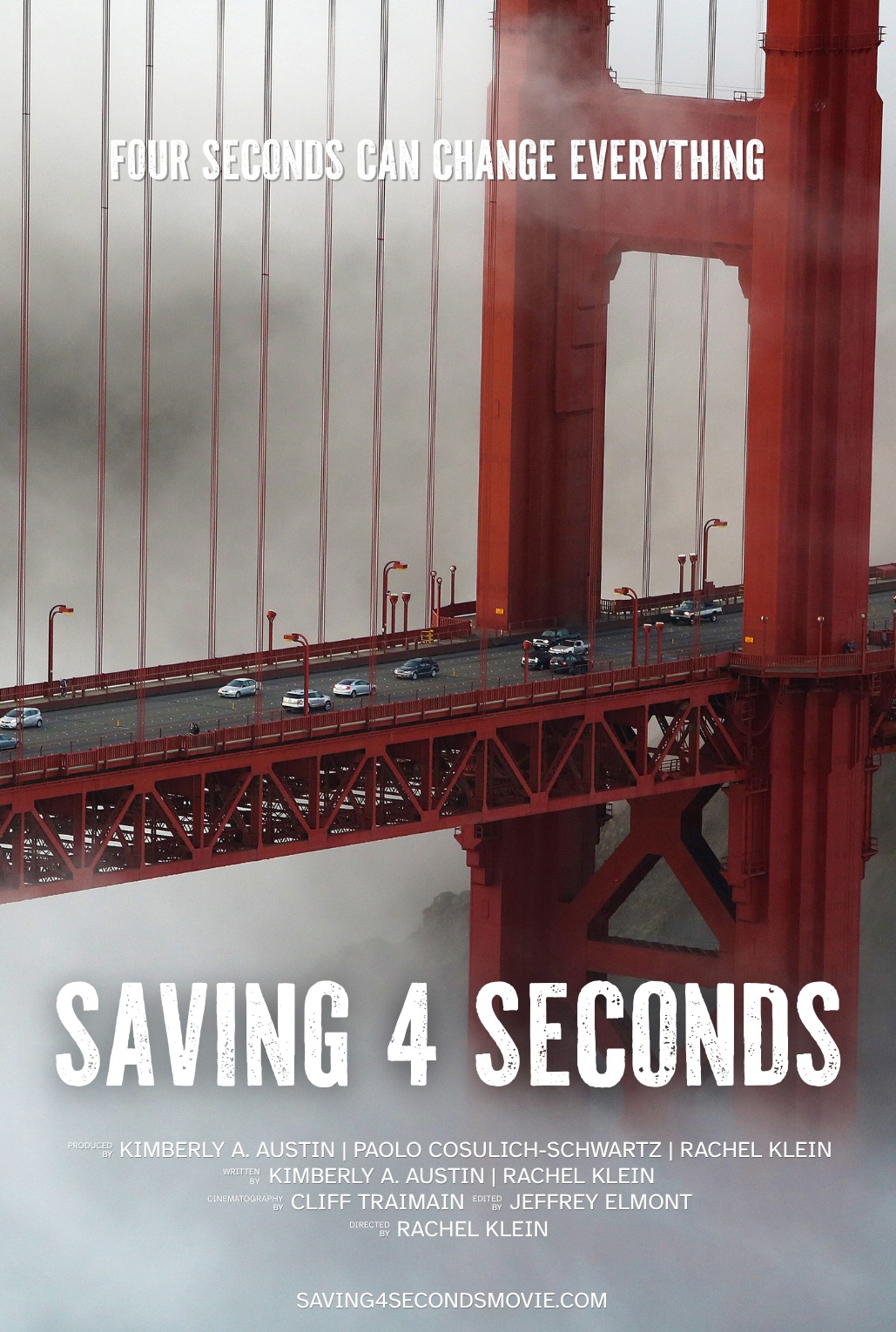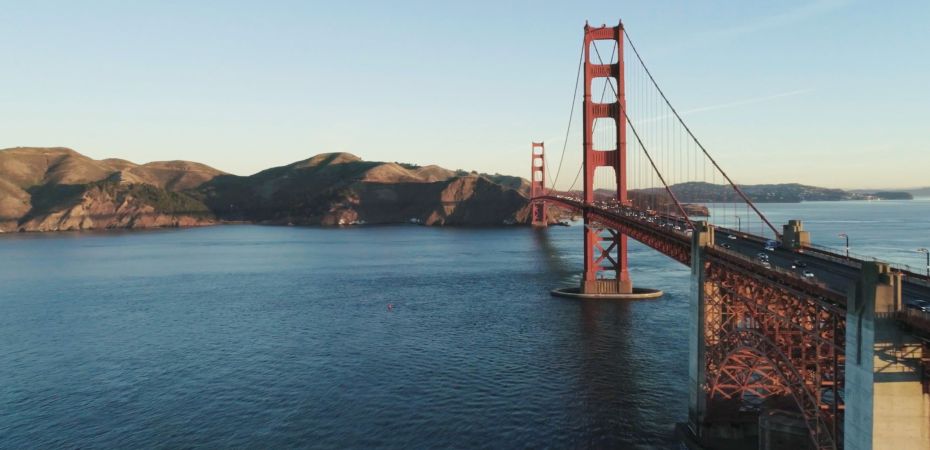
Directed by Rachel Klein, on September 20, 2013, 18-year-old Kyle Gamboa pulled his car over in the middle of the Golden Gate Bridge, climbed over the roadside railing, crossed the sidewalk, and leaped the four seconds to his death in the waters below. His parents then began a tireless journey to advocate for the installation of a suicide barrier on the Golden Gate Bridge.
Undoubtedly, Saving 4 Seconds is a documentary that you need to have awareness of before you begin watching as there’s a lot of triggering footage. The opening is immediately striking, to watch CCTV footage of employees actively attempting to save citizens from taking their own lives is an experience that’s difficult to describe. It’s deeply affecting and shocking, even simply the opening statistics are startling. It’s likely not many people will be aware of just how many people have taken their lives on the Golden Gate Bridge since its construction. With it only ever being portrayed as an impressive feat of engineering or a beautifully aesthetic view, while unknowingly holding a dark history.
It’s hard to imagine what the workers go through as they were faced with ardently trying to prevent suicides all throughout the year, becoming a part of their daily life. It’s also probably difficult to imagine for most people that, given the poignant statistics, a solution wasn’t put into place much sooner. The political conversations surrounding the fight of Kyle Gamboa’s parents, and many others who have lost loved ones, is almost bewildering and yet sadly unsurprising. With the debate most often being reduced to monetary and aesthetic concerns, including many deeply callous comments.
At its heart, Saving 4 Seconds is a wonderful example of striving to help others, to take your pain and grief and use it to help prevent anyone else from having to go through that experience. That selflessness is built into the tone of the documentary, it never gets caught up in the death, it doesn’t become morose, it puts the focus where it matters, on actively trying to help other people. It’s also interesting to see it explore the architectural challenge of building a solution, and the many different variables which had to be considered in order to not alter the structural integrity of the bridge.
Saving 4 Seconds is a poignant, striking exploration of the value of human life, and how often within the political realm, it is forgotten. As well as how change can be realised when a dedicated group of people refuse to let it be forgotten. There’s a lot of deeply moving footage which is not easy to watch, and it’s interlaced well with interviews with the employees who relentlessly and repeatedly did their utmost to save lives, even if they unfortunately weren’t always successful. Despite the heavy weight this film holds, it never becomes enveloped by the grief, pain or harsh reality, it holds onto a sense of hope for the future, of doing what it takes to help others.
Verdict: ✯✯✯✯ | 8/10
Celebrated its World Premiere as part of Austin Film Festival 2026 | For more info visit saving4secondsmovie.com