
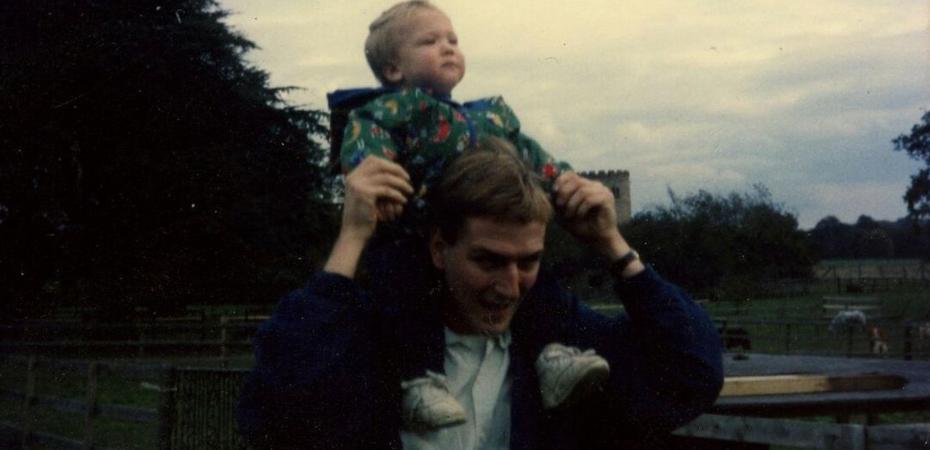
Directed by Grace Harper-Brighouse, even as a child, Grace Harper-Brighouse was always filming her family. Now faced with her father’s death, Grace returns to this personal archive to piece together an unflinching account of his struggle with addiction to opioids and the impact it had on them.
At this point, the cathartic nature of making a documentary about your own life and reflecting upon your relationships has been well established and Grace Harper-Brighouse gives us another great example with Dependence. It takes a lot of strength to delve into the fractures of your relationship with your own father and try to unpack the reasons behind them, let alone to capture that for the screen. It creates a tense, almost uncomfortably intimate yet relatable atmosphere as it traverses through addiction, loss and conflict.
One of the biggest strengths of Dependence is that it’s unexpected, the way that it moves may be somewhat familiar to documentary fans, but the path that it takes along the way will likely take you by surprise. It has a great number of layers to unravel, and the way that Harper-Brighouse moves between different decades, different styles and puts her home-movies side by side with modern day interactions works exceptionally well.
The sadness which Dependence holds is one that appears from the very beginning but grows as the film progresses. It’s interestingly composed for a documentary about addiction and the animosity that inevitably ensues, it steps away from the usual elements we see of those experiences and is much less combustible. There’s a recognition of that addiction, but the focus remains on unpacking the impact that had on their family, not how her father became an addict and what form that took.
Not only that but it demonstrates their family finding a way forward, not solely reflecting upon that negative impact or being bound by it but making choices for their own mental health and futures. It’s really interesting to watch Harper-Brighouse’s mother in particular, the strength and composure she has in the face of such heart-breaking moments, and being able to hold onto a sense of humour, is quite something.
Dependence is heartrending, moving and unexpected. It’s a strong debut feature from Grace Harper-Brighouse, exposing such intimacy and personal trauma in a way that’s composed and thoughtful. The combination of interviews, candid moments and childhood home-movies is very well done. It portrays a lot of classically British denial and avoidance of conflict, captures the gradual deterioration of relationships in the face of addiction, and holds a lot of sadness but also a touch of hope.

