
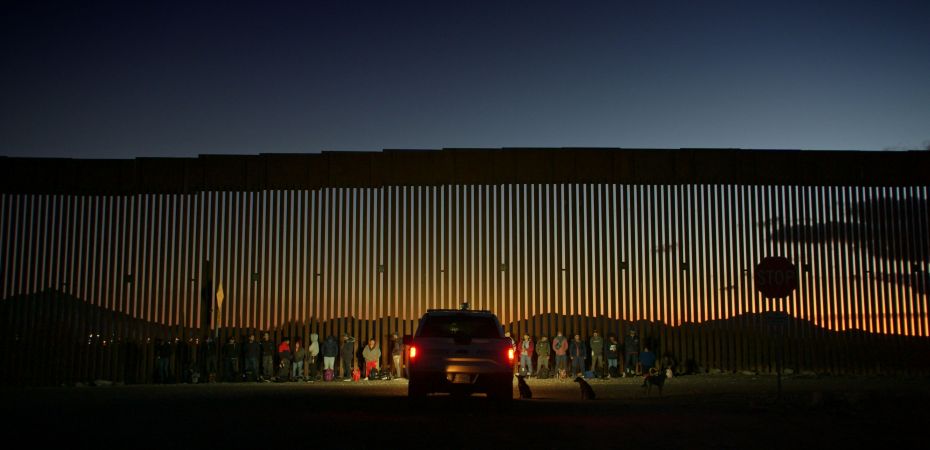
Directed by Kenya-Jade Pinto, examines the technological infrastructure shaping border enforcement. Using drones, thermal imaging and hidden camera footage, the film traces how advanced monitoring systems track and deter people seeking refuge.
Most people will be relatively aware of how the issue of immigration and border enforcement has changed over the years, it’s a permanent feature in the news cycle, and yet The Sandbox still provides a revealing perspective. To see the lengths that countries are going to, and the vast use of technology is disturbing. It’s presented in such a casual manner, especially by those taking advantage of that technology, as if it were perfectly natural and not entirely dystopian. Not to mention the eye-watering level of funds being invested in the technology.
The Sandbox truly hits the nail on the head with how unsettling the issue is, and how these are not at all systems built to safeguard people, but to protect various interests of different countries. It’s chilling to see people enthusiastic about the advancements of the technology when it has such violent, invasive, over-reaching possibilities. Kenya-Jade Pinto captures the coldness of it, but thankfully also presents viewers with an alternative view, highlighting the people who are actively trying to prevent the inhumane treatment of migrants. It certainly helps balance out the documentary.
However, it does feel like The Sandbox lacks a guide, it doesn’t employ a great deal of context which limits how far it can delve into these topics. Especially in the earlier half of the film, there’s plenty of poignant footage, but if some additional detail and examination could have been added, it had the potential to hit harder. It’s a shame as the footage itself is very well put together and there’s a great variety gathered.
The Sandbox is a poignant reminder of the shocking amount of time and money governments are investing in border enforcement technology, and its intensely inhumane implications. Kenya-Jade Pinto portrays its casual coldness, the invasion of privacy, the cruelty and how it reflects a society with rapidly eradicated empathy. Although, it sells itself short by taking a step back and presenting the footage to you mostly in an observational manner, rather than adding context and active discussion. It feels as though having someone to delve deeper into what the footage is actually saying, would have helped it deliver an even more shocking punch.

