
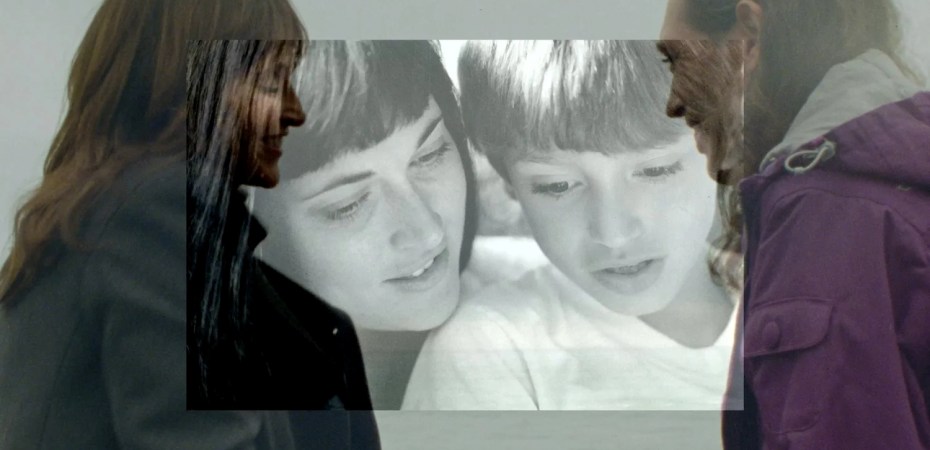
Directed by Liz Roberts, the legacy of one of the United States’ first clean needle exchange programmes, founded by Heather Edney, the radical publishing it spawned, and the vital relationships it sustained.
Liz Roberts makes an excellent choice with the style of Love is the Drug to not simply explore one era after the other but to blend the past and the present. It was a really interesting way to compare the attitudes and issues of the 1990s with those of today, as well as how the relationship between Heather Edney and the young child, MyLeia Loya, she took into her care grew over the years. It creates a very wholesome tone, which is perhaps unusual when delving into the topic of needle exchanges and AIDS, which can often be approached in a dour and fatalistic manner.
Roberts manages to frame the passion and outrage of Edney in such an accessible way. Especially in how it uses the right-wing media archival footage, which requires no context whatsoever to understand the horrifically prejudiced attitudes and preaching tone of moral superiority. An aspect which only holds more relevancy today with attitudes increasingly taking steps backwards. It also enables Love is the Drug to take a look at the bigger picture purely through that contrast of past and present, which was a very effective choice for a short film.
Another part of that is how the style and narration of Love is the Drug feels very intimate and personal. There’s a sincere warmth to it and that’s a key factor of explaining the subjects’ perspective on these issues. It portrays their desire for policies and treatment to take a more personal approach. To step away from this age of issues being decided by politicians who have their finger miles off of the pulse, and actually consider what people need and what will be best for them in the long-term. As well as commenting on the sad state of affairs that this is still such a vital concern thirty years later.
Love is the Drug is a thoughtfully created comment on needle exchange programmes and the attitudes of the media and politicians towards drug rehabilitation. It was extremely generous of MyLeia Loya to allow their story to be such a big part of the film, as it’s a poignant example of past attitudes and the progress which still needs to be made. Liz Roberts lovingly captures the compassion and commitment of Heather Edney with a tender, caring style. It perhaps could have delved a little bit deeper, as it has quite a gradual pacing but it’s a wonderful reminder that society needs lawmakers who will actively think of the people those laws are impacting.

