
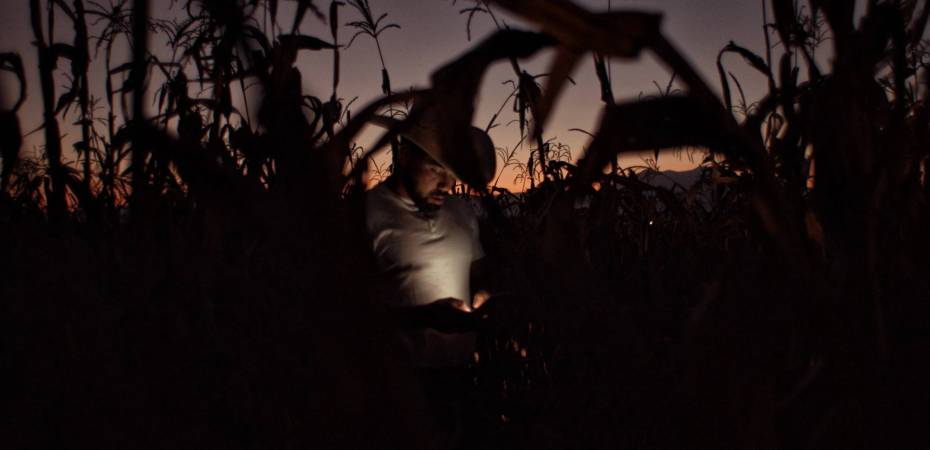
Directed by Efraín Mojica and Rebecca Zweig, set against the vibrant spectacle of the Jaripeo, a symbol of Mexican cowboy tradition and machismo, this story unveils a hidden world of queer desire and quiet rebellion. As glances and gestures disrupt the rigid norms of masculinity, the rodeo becomes a stage for our protagonists to navigate identity, community, and the search for belonging in an oppressively traditional space.
The style that Efraín Mojica and Rebecca Zweig take with Jaripeo feels perfectly suited to the topic. They capture the intensity and aggression of the Jaripeo, the wider conversation of masculinity, perspective and sexuality, as well as bringing through an artistic edge to represent the personalities and vibrancy of its subjects. Having such a great blend makes it compelling and captivating, as well as creating a great flow to the film. It doesn’t sit still but it’s also never rushed, it seamlessly moves through the different styles.
Those styles also provide for some excellent visuals, that rough and dusty setting of the Jaripeo mixed with the colours and richness of its more artistic moments are a terrific combination. Mojica and Zweig also create a strong emotional depth to Jaripeo, it’s an element which is apparent from very early on and easily draws you in to the documentary. They manage to bring together the theatrical side with the tender side in a very natural way.
It’s interesting to watch the various conversations about the idea of masculinity, within a traditional community and how that clashes or overlaps with queer people. You get a hugely wide range of gay men themselves who still have a fairly closed-minded view of gay men, those who keep their sexuality quiet and those in-between. There’s a great spectrum of perspectives which means they’re able to explore the topic well, even within only seventy-minutes.
Jaripeo impressively blends different styles together to keenly represent the different layers to its subjects. Even within its relatively brief runtime, Efraín Mojica and Rebecca Zweig do a wonderful job of capturing the complex nature of the topic. They also manage to bring through that sense of theatricality which comes with the Jaripeo, and merge it with an artistic queer edge to create the best of both worlds. It holds a striking visual, a compelling topic and has a fantastic amount of personality.
 FilmCarnage.com