
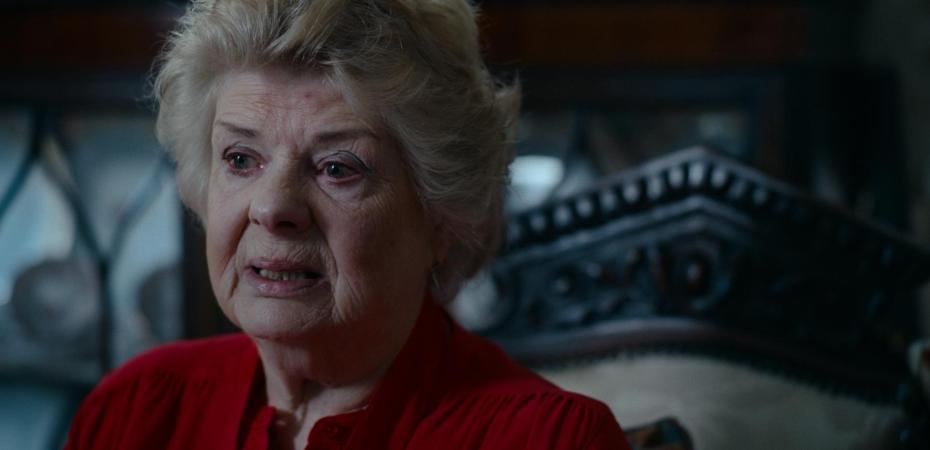
Directed by Aoife Kelleher, women from Ireland’s Magdalene Laundries and Mother and Baby Homes are suing for justice, accountability, and legal action against church and state institutions, supported by Justice for Magdalenes. Narrated by Imelda Staunton.
There will be many facts and figures throughout Testimony that, if you’re not aware of the history already, will leave you shaken but one in particular that stands out and might surprise you is that the last Magdalene Laundry did not close until 1996. The first institution is reported to have been opened in 1758, that is a history of almost two hundred and fifty years of abusing mothers and their children.
The immediate reaction to these stories and simply the concept of these institutions themselves, is to say that type of cruelty is unbelievable. Yet, what makes it more harrowing is that it’s not, it’s depressingly easy to believe women were forced to contend with such horrific conditions and treatment, because across the world there are countless instances of abusing and imprisoning women. Violence against women is a continued, vital issue, and these stories demonstrate one particularly awful example which needs to be learnt from and never repeated.
One of the clear choices that Aoife Kelleher made in her style for Testimony, is to hold a patience and grace, one to do justice to those brave people stepping forward to recount their traumatic experiences. It has a gradual movement to it, it has a quietness and an elegance, it does not succumb to the scandal of it all. Kelleher communicates the outrage with eloquence, something that’s keenly matched by the subjects of the documentary. That composure helps to quickly portray how widespread the impact was for both the mothers and the children subjected to Magdalene Laundries and Mother and Baby Homes.
It feels as though there’s three key factors going into the conversation of Testimony, primarily holding the government accountable and seeking justice, but also capturing the power of these people, and the inhumanity which they suffered. Kelleher does well on all fronts, it’s clear and concise, while the visual stylings embrace the emotional nature of the recollections. The atmosphere encapsulates the true depth and weight to the issue. It does however feel as though including Philomena Lee was not entirely necessary, her story has been so famously told both in novel and feature form, it slightly distracts and goes over very familiar ground.
If you’ve never learnt anything of Ireland’s Magdalene Laundries and Mother and Baby Homes, Testimony is the perfect place to start. Yet, it speaks to the quality and impact of Aoife Kelleher’s documentary that even if you know plenty already, you will still benefit from watching it. That’s because it showcases the power of the people behind this campaign to fight for justice and accountability, something so desperately necessary. It’s heart-breaking and also infuriating, to hear of the sorts of abuse and deeply traumatic experiences, and also the constant refusal by the government and religious organisations to take responsibility for their heinous actions.
 FilmCarnage.com