
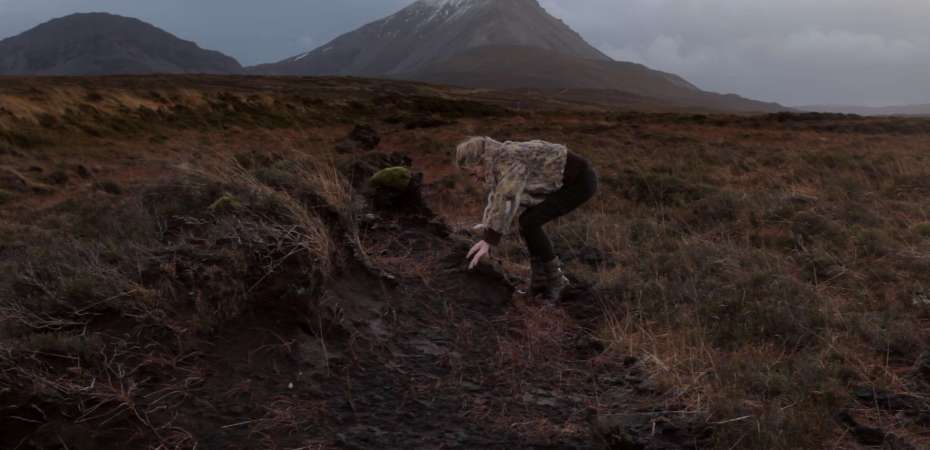
Directed by Myrid Carten, Myrid searches for her missing mother in Ireland, facing family disputes over property, life-threatening secrets; her journey explores love’s influence and struggle for freedom.
There’s a quality to A Want in Her in its early moments that feels like simple home-video footage, almost akin to something that would be fiction over fact. It has a deceptive simplicity to which was a really great choice to explore such a complex issue as alcoholism. Especially as it feels slightly reminiscent of Stories We Tell or even more so Black Bag, in how it’s delving into such a bare, honest view of their family’s struggles.
The progression and editing are done well to slowly reveal the larger story here, Myrid Carten doesn’t rush things and lets A Want in Her move in a natural manner. It feels like a clever choice to introduce audiences to their lives and get to know Carten a little bit before arriving at the deeper, troubling layers. It also helps to build an intense sadness into the atmosphere, one that grows as time goes on. Making it quietly but effectively heart-breaking.
It’s definitely a huge help to have such a broad catalogue of footage from her childhood, which allows it to bring in a sense of humour and relatability into the mix. There’s a blend of tones as it can at any time go from sweet family bickering to crushing addiction quite smoothly. There are a lot of choices which keenly represent the destructive and emotionally depleting impact of alcoholism, but it can also make some choices to undermine its power.
The issue is when Carten attempts to bring an artistic vein into A Want in Her, it feels too constructed and manufactured to fit with the rest of the documentary. At times it can veer to almost taking advantage of the situation which feels uncomfortable, despite the best of intentions. It does leave the film on a lesser note, that performative nature slightly dulls the emotional resonance of the rest of the film.
A Want in Her is an excellent portrayal of the devastating impact that alcoholism has on families and how it follows them throughout their lives. It has an intimate style, using a simple setup to its advantage, but does make some creative choices in the latter half which feel at odds with that style. While moving away from its organic tone does lessen its power slightly, there is still plenty to be found within its honesty and openness. Especially as you can see how determined Myrid Carten is to try and approach her mother’s alcoholism with both her mother’s and her own mental health and life in mind, which is such an incredibly difficult balance to find.
 FilmCarnage.com