
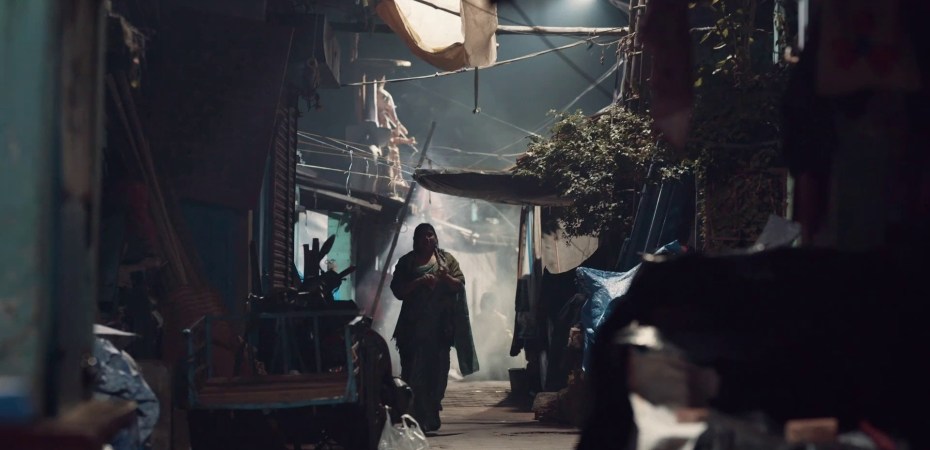
Directed by Bipuljit Basu, sex workers and their kids in a Kolkata brothel run Cam-On, a video production unit where they create stories. Beyond their harsh reality, they find joy in storytelling and hope to improve their environment.
Jumping into Redlight to Limelight, you can strongly feel that air of rookie filmmakers learning the craft and trying to find the right shots, both in the style of documentary and in the actual footage. That then creates an interesting blurring of elements, their filmmaking journey and capturing the community, which creates an unusual kind of documentary. Its portrayal of these women and how they channel their experiences into a positive learning moment by taking up their roles in making the film is the strongest factor that the documentary has to offer.
They’re a group of strong women who’ve been put through a lot of pain, so to see how they’re reinvigorated by having this newfound passion, is surprisingly wholesome viewing. Although it also creates one of Redlight to Limelight’s key issues which is that it doesn’t spend enough time getting to know them. From the brief, intimate moments that we do get with them, it’s clear their stories had so much more to explore and unpack but the documentary struggles to find the balance between reality and filmmaking. It tends to lean towards the latter which while it does work, doesn’t have something as compelling to offer.
The way that Bipuljit Basu captures the community and the sense of relief that the women seem to find in this process is well done. There’s a lot of grounded personality and an enthusiasm to be found in Basu’s directorial style. However, the progression can feel rather scattered, it doesn’t always feel as though it’s following a clear path or has a tangible destination in mind. It has a certain off-the-cuff style, very much reflecting the hustle and unpredictable nature of the production within Redlight to Limelight, it’s fitting but not as strong as it potentially could be.
Redlight to Limelight portrays a unique community and lovingly captures how these communal experiences can provide such a helpful, healing outlet. There’s a lot of passion and indie film spirit, but it balances that with touching upon the very real suffering their film reflects, keeping it humble. However, it feels like it could have strengthened itself by moving away from the filmmaking slightly and focusing on the women. Their backgrounds and their resilience could have added a bigger depth and poignancy, had it taken more time to sit down with them and expand those personal moments.

