
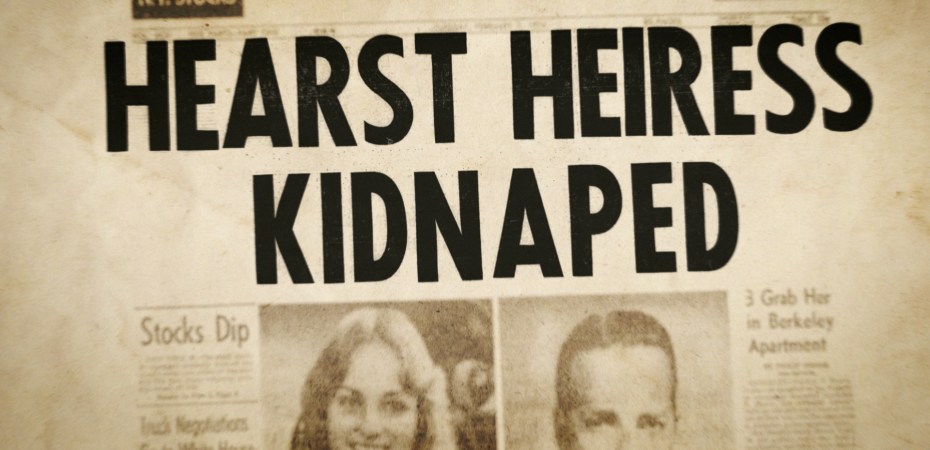
Directed by Mimi Wilcox, stories of kidnappings and bank heists intersect with the director’s own thrilling family tale, as this electrifying film reveals the true origins of Stockholm Syndrome.
One of the greatest things that a documentary can achieve is making you broaden your perspective, especially with topics that you’re already familiar with. Bad Hostage takes the concept of Stockholm Syndrome and breaks it open, pushing you to consider it in a completely different light. One that’s quite shocking but then when put in the context of its era of creation, 1970s America, it sadly makes perfect, if utterly frustrating and insulting, sense.
To discuss it further, would be to spoil the experience of watching it so moving quickly onto the actual quality of Bad Hostage. Very quickly Mimi Wilcox injects this short documentary with a big personality, especially with the help of strong, sharp editing work (also by Wilcox). The balance between archive footage and images, and first person accounts is well done. It captures a big energy to go with its story of outrage yet manages to keep a lighter tone which is excellent, being simultaneously entertaining and eye-opening.
Perhaps its only key weakness is also a sign of its success, there’s so much story to tell that there isn’t quite enough space for it all. Moving between several different stories of being held hostage, when even the initial subject’s tale would have been plenty. When it wraps up, it has taught you something but at the same time, you want to spend more time digging into this thread of misogyny and victim-blaming.
Bad Hostage is a fantastic example of how women have been consistently undermined, insulted and used by the police, primarily to hide their own incompetence. Perfectly portraying how quickly they would change the story and perception of a woman, when it didn’t fit what they wanted, or reflect well on them. A concept that certainly remains relevant to today with a whole host of different communities. It may be longer than your average short coming in at just under forty minutes but there’s still plenty more to explore and it would have made for a fascinating series or feature.
Verdict: ✯✯✯✯½ | 9/10
Celebrated its World Premiere as part of Sheffield DocFest 2024

 FilmCarnage.com