
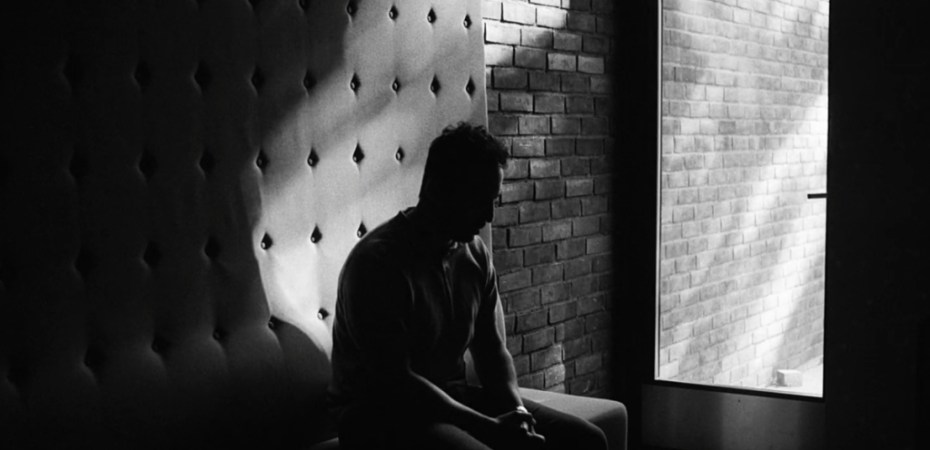
Written and directed by Øystein Mamen, four inmates on maximum security have chosen to enter a three-week Jesuit silent retreat in prison. They are guided by two priests, asking the questions of: how do ethical exercises, rituals and communal silence affect us?
As you’d expect purely from reading the synopsis of Punishment, it’s intensely contemplative and quiet from the very beginning. Although don’t worry it isn’t entirely silent, there’s plenty of discussion to reflect upon its subjects’ crimes and the consequences. Øystein Mamen takes a stylish but gentle hand on exploring these moments, and by doing so it means that the film moves extremely slowly. There are a few knock-on effects from those choices but the key one being that eventually it adds a repetitive touch.
The content certainly has value, it’s too often that punishment is overtly simple and rehabilitation is almost entirely forgotten, so to see it here is refreshing. The self-reflection and attempts to build and understand empathy for their victims is compelling but these relatively brief moments can only take the film so far. There’s a missing bigger context to take them further, while not divulging all the gritty details of their crimes was undoubtedly the right choice, it could have gone deeper into the retreat itself and how it began.
Stylistically, the monochrome aesthetic was a great choice which perfectly reflects the tone and atmosphere of the film. It has a superb texture and it means that is has a laser focus on the dialogue and what goes on between the lines. It embraces both the emotions of its subjects and the larger meaningful nature. Also, while the religious element is there, it doesn’t try to force itself into each different aspect of the film, it’s a constant yet exists mostly in the background.
Punishment asks some intriguing questions about rehabilitation, the effectiveness of the prison system and whether forgiveness and repentance are truly possible. It has a strong and thematically balanced style, as well as a compelling atmosphere. Unfortunately, it’s let down by feeling as though it’s going over the same ground and missing out on enough context to drive its impact further.
 FilmCarnage.com