
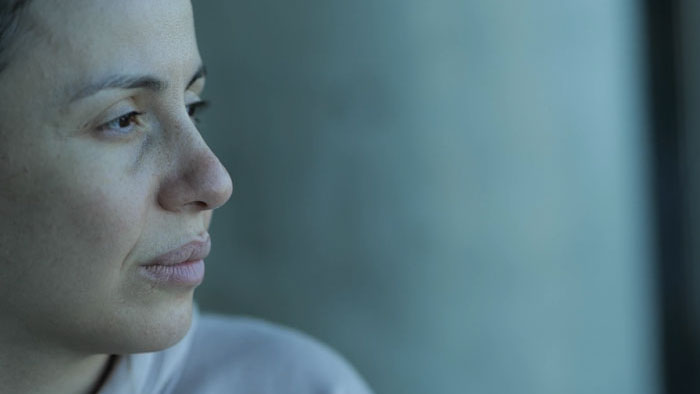
Written and directed by Ravit Markus, wheelchair badminton champion, Nina Gorodetsky, finally has a chance to make it to the Paralympics. However, she is negotiating a ticking biological clock both as an athlete and as a woman. What would she be willing to sacrifice to realize her Olympic dream?
Having a profession like an athlete generally means the highs can be euphoric and the lows can be career ending or devastating, especially when you’re aiming for a target that only comes around once every four years. It’s something that we’ve seen portrayed in film and television but rarely ever from the perspective of the Paralympics, so it’s great to see Ravit Markus opening up that conversation. The other great choice that Markus makes is to acknowledge and discuss Nina Gorodetsky’s disability but that’s never the focus of the documentary, it follows her daily life, family and passion for the sport.
That choice comes with its advantages and disadvantages, the key hinderance being that it can feel fairly slow or lacking in context. It might have eased in better if they had gotten out of the way early on the discussion of how her disability came about and her adapting to it, rather than leaving it until around the midway point. The atmosphere can also be quite casual, often just letting things flow rather than building upon them.
It has a good balance between exploring the sport and Gorodetsky’s personal life. Diving into the age-old difficulty of trying to hold onto your career while having a baby, particularly when it involves travel. The way that it progresses focuses more on getting to know her as a person. It could have given more history and her experiences with the sport but it keeps things quite simple both thematically and stylistically. It’s well structured to feel purposeful while holding onto an organic eye.
Nina is an Athlete is an intimate look into the life of a Paralympic athlete, exploring the everyday reality. It can feel overly casual, occasionally in need of more context or history to flesh it out but it has a personal touch and a rarely seen perspective. The style is also very natural, putting the story into Nina Gorodetsky’s hands to let her guide the audience through it, rather than looking at it from the outside.
 FilmCarnage.com