
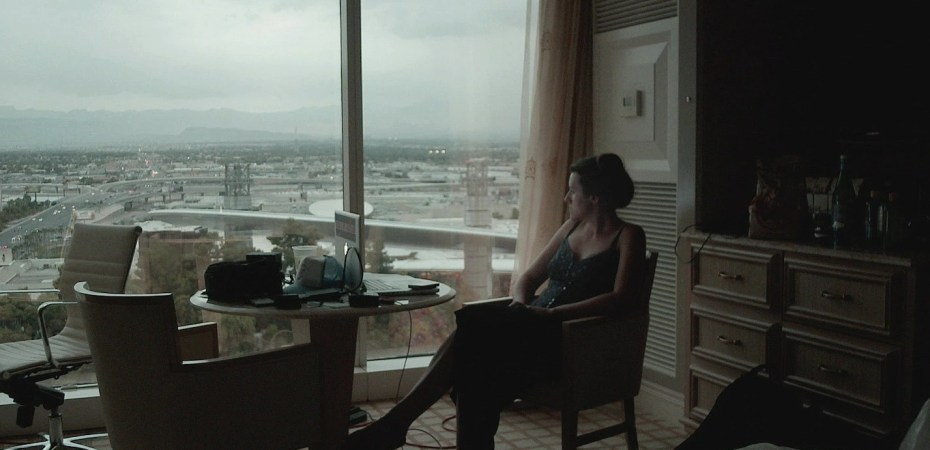
Directed by L. Frances Henderson and written by John D’Agata, while investigating the suicide of Las Vegas teenager Levi Presley, a filmmaker uncovers the story of a city with the highest suicide rate in the country, and a nation scrambling to bury decades of nuclear excess in a nearby mountain.
Within This Much We Know there is one heavy ethical question which frames the entire film, which is whether it’s helpful or harmful to be inserting yourself into another family’s story of trauma and loss. Whether you’re simply bringing up questions that they don’t want answers to, making them relive their grief and heartbreak or helping them celebrate a loved one’s life, but all of that hinges upon how L. Frances Henderson frames this story. Thankfully, it is not trying to dig up every intimate detail but instead is showing how Levi Presley is an example of a larger problem, while giving his family the opportunity to share their love for him.
It also acknowledges that issue in the documentary which was surprising to see but gives a more open feel. There’s a very personal perspective to This Much We Know, sparked by Henderson’s own experiences, and you can feel that throughout. It has a sincere tone and it’s interesting to see different perspectives on suicide, from an intimate one to those who investigate it and the psychology of it. Within those choices it moves from vulnerable to sombre to intriguing. There’s a poignant foundation to this story, but it can make some missteps along the way.
Firstly, including the nuclear angle feels out of place, it can be weaved into the layers but it doesn’t feel necessary. It seems more like a distraction from talking about the important elements of This Much We Know. As well as one particular scene involving a psychic which has an odd and uncomfortable tone, veering into an intense vulnerability which plays into a cheaper or manipulative emotion. There’s also a strange tendency for Henderson to speak over the talking heads, simply fading out their voices in favour of her own narration, which has an insulting overtone.
This Much We Know had a meaningful concept, almost a cathartic exploration of the aftershock when someone takes their own life. A good amount of the film does justice to that but there’s also a fair amount of tangents and distractions, moments that undermine its overall tone. The style itself and atmosphere are well done, mixing the personal with the wider message but those few messy touches hold it back.
 FilmCarnage.com
I landed in the same place with this one. You can tell it’s a personal story, but the nuclear stuff just didn’t mesh well with the rest of it.
LikeLiked by 1 person